Tile Roof Replacement in Verdugo Woodlands from $8,000. On most Glendale tile roofs the tile is fine. It is the felt underneath that has failed. Free inspection and a written quote.
Under this much canopy the failure is organic. Leaf litter washes into the courses and sits on the underlayment, holding damp against it long after the rain stops, so the felt rots while the tile above still looks new from the lane. That is why these roofs leak with nothing visibly broken anywhere near the stain.
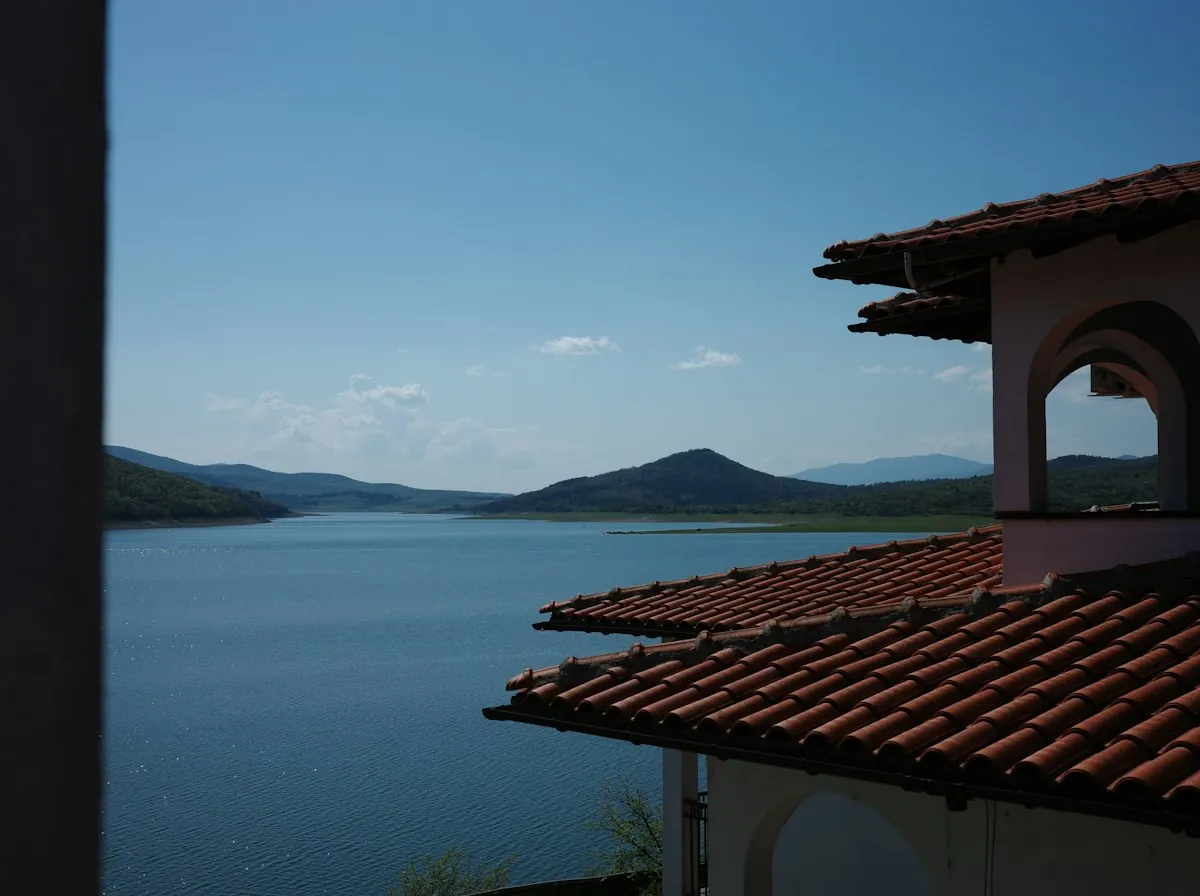
Clay barrel tile is the signature covering of this city's period housing, and it outlives the underlayment beneath it by decades. A tile field that looks perfect from the street can be sitting on felt that has gone brittle and torn, which is why these roofs leak with no broken tile anywhere near the stain.


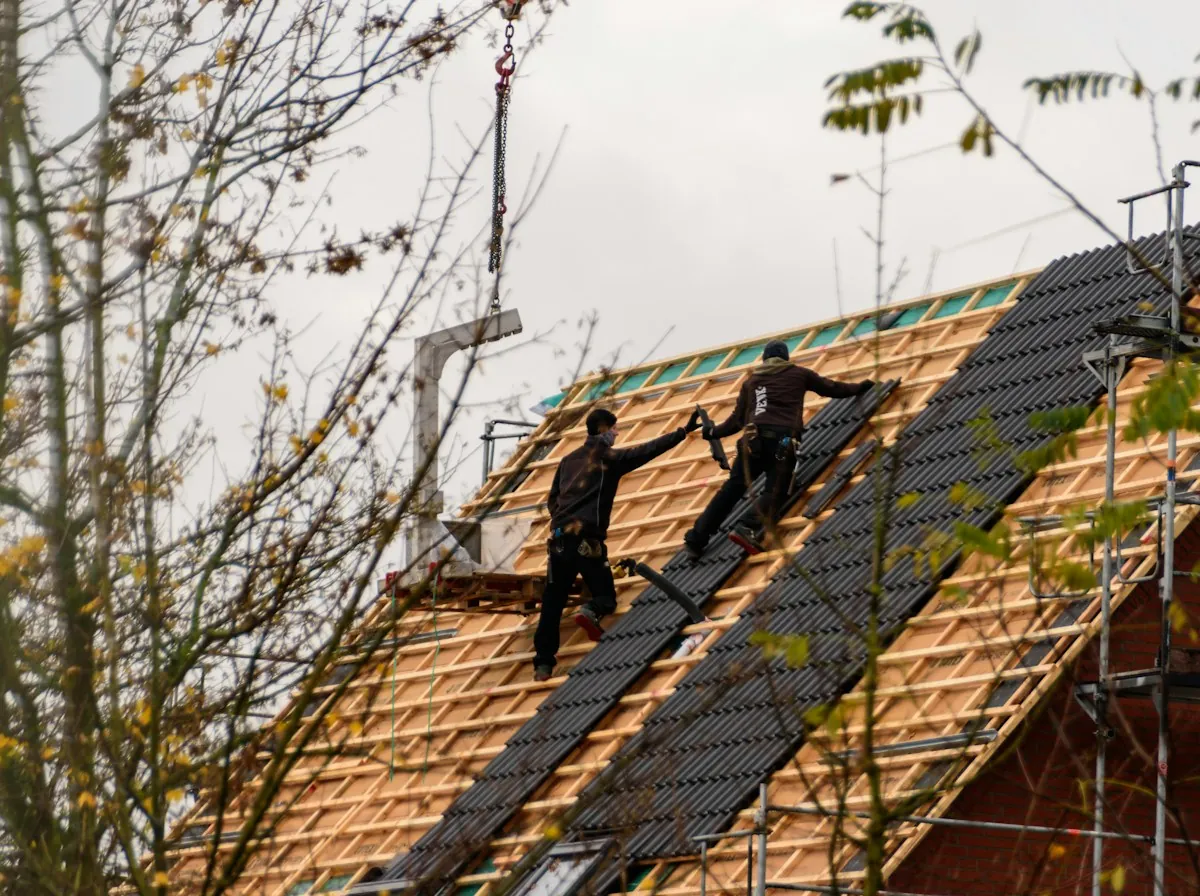
Full tile replacement in Los Angeles runs $15 to $25 per square foot, so $30,000 to $60,000 is a normal figure for one. A lift and relay -- your own tile back down over new underlayment -- is $8,000 to $22,000. In a city built on clay barrel tile that one answer is worth more than every other decision on this page combined. Access and tree protection are real lines on a Woodlands quote. Narrow lanes, limited turning space, limbs that need protecting or trimming, and a drainage upgrade that the original roof never had. A price silent on all of that will move once work starts.
If the tile is sound and only the felt beneath has failed, the relay is the right job at roughly half the cost. We count the salvageable tile before quoting either.
Spalling or widely broken tile, an obsolete profile with no match available, a steep or canyon lot where every piece is handled twice, or framing that needs attention.
A full replacement quoted without anyone having counted your tile. On a 1920s roof that is a price for the wrong job -- and on a designated property it may not even be approvable.
The canopy is the roofing story here. Continuous shade keeps a roof damp for longer after rain, leaf litter loads the valleys and packs under tile courses, and overhanging limbs abrade a covering every time the wind gets up. On a tile roof that combination rots the underlayment while the tile above it still looks new.
Verdugo Woodlands is fewer than two hundred homes with a seasonal stream through it, so access, canopy and drainage shape almost every job here.
This is a replacement company saying so, which is the point. The most expensive mistake in this market is buying the whole roof when the job was the felt underneath it.
A cracked mortar bed, a split upstand, a flashing that has parted from a wall: each is a repair. On an older property each is also the easiest thing in the world to present as a reason to strip the lot and start again.
Salvaging the original tile is what design review is most likely to pass, and it costs about half of replacing it. The two things point the same way more often than people expect.
Then a replacement is the right recommendation and we will make it. The test is not which answer you get, it is whether anybody showed you how they arrived at it.
Fewer than two hundred homes on wooded lanes with a seasonal stream through the middle means the logistics are the quote.
Period houses under permanent shade age differently, and that matters to a review.
Shade is not kind to asphalt.
Under this canopy the outlet blocks, and once it blocks a flat roof becomes a shallow pool.
The shaded slope fails first on these houses, reliably, so a single-slope partial is often technically correct here.
Barrel tile, period streets, and design review.
Up against the Verdugos. Fire zone and a shopping street.
Designated historic. Review before permit, every time.
Steep lots, split levels, three decades of styles.
A 1920s-30s grid that still looks like one.
Custom houses, canyon roads, no standard rate.
Brush interface and canyon wind, all year.
The questions that decide this job, answered up front.
Because the leak is under it. Clay and concrete tile outlast the felt beneath them by decades, so the underlayment tears and goes brittle while the tile field above still looks new from the street. That is the commonest tile failure in Glendale and it is not visible from the ground.
Not from a supplier -- that profile has not been made for generations and the color variation across ninety years of weathering cannot be matched from a pallet. What works is salvaging your own: a relay puts the original tile back, and where some has to be replaced the sound pieces go on the street elevation.
For composition on an average house, yes, and you should get another quote. For a full clay tile replacement in Los Angeles it is a normal number -- tile runs $15 to $25 per square foot, so $30,000 to $60,000 is the range. The question worth asking first is whether you need a replacement at all, because a relay of your existing tile is $8,000 to $22,000.
Not automatically. Age is a prompt to look, not a verdict. Composition at twenty years is usually near the end; clay tile at twenty years has decades left in the tile even if the felt underneath is finished. That distinction is most of the roofing decisions made in this city, and it is settled by a survey rather than by the calendar.
It depends on the slope. Glendale is Title 24 climate zone 9, and the steep-slope cool-roof requirement applies in zones 10 to 15 -- so a pitched roof here is generally outside it, and a quote charging you for it is worth a question. Low slope is different: that requirement applies in all sixteen zones with no exemption.
A free inspection, and a written quote against a written scope. Every slope photographed before and after - the set is yours.