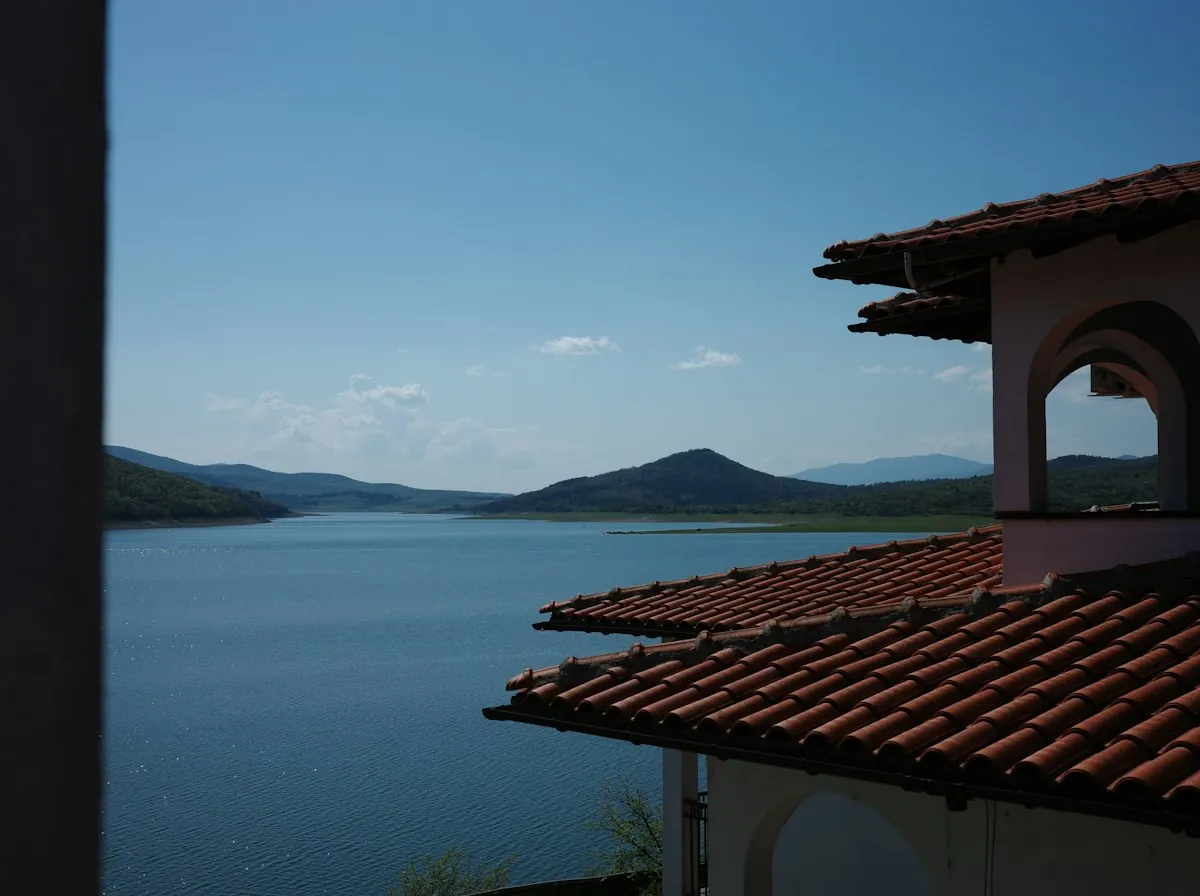
Roof replacement in Glendale priced against a written scope, with the deck checked sheet by sheet - and the cheaper option named when a relay or a partial is genuinely the right job.
Two rules decide what a Glendale re-roof has to comply with, and a quote that mentions neither was written from a drive-by. Cross 50% of the roof area in a one-year period and the whole roof has to meet current code. And if the property is identified as historic, roof cladding goes to design review before a building permit application is accepted at all. Establishing which of those apply is the first hour of the job, not the last.
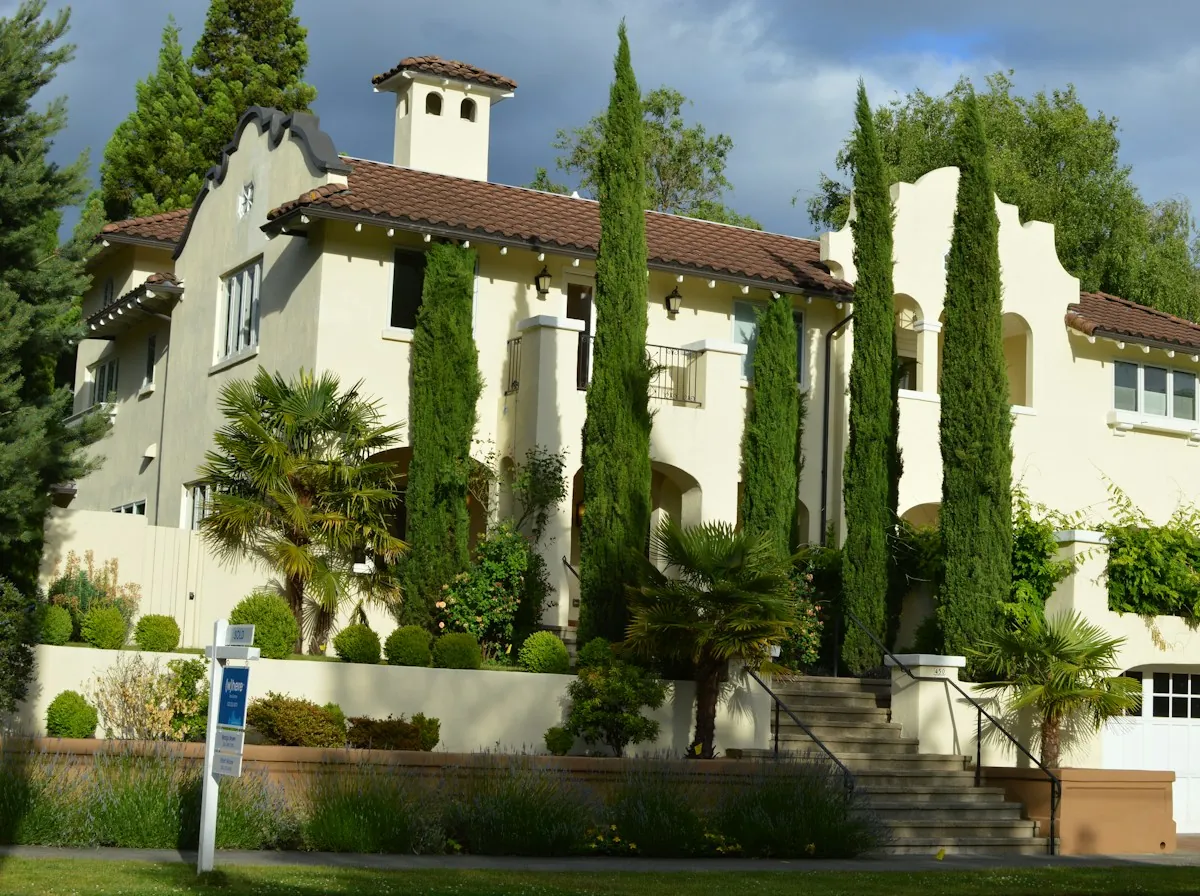
Glendale is an older city than most of the valley and it shows on the roofs. The foothill neighborhoods are largely 1920s to 1940s Spanish, Mediterranean, Tudor and Craftsman houses, and those were not built with the deck, the ventilation or the flashing details a modern covering assumes. A replacement here is as much a carpentry survey as a roofing quote.


A full replacement in Los Angeles County is estimated at $10,000 to $25,000 for most houses. The range is that wide because covering, pitch, access and what the old roof was hiding all move it -- and in Glendale, whether the property is designated historic moves it as well. The variable that moves a Glendale quote most is tile. On a clay barrel roof the difference between a relay and a full replacement is roughly half the job, and nobody can tell you which you need without going up and counting what is salvageable. Ask any quote which one it is pricing.
A simple roof shape, level access, sound decking, and booking outside the winter rush when every roofer in the valley is on a ladder.
Clay tile rather than composition, a steep or canyon lot, a design review application, a Class A fire assembly, or soft decking found once the covering is off.
Sheathing replacement priced per sheet, the tear-off included or excluded, and the underlayment actually named. Those three account for most of the gap between quotes.
Where this work normally leads, and what that costs.
This is the single biggest number on this site and it turns on one question: how much of your tile is still good.
The thing almost nobody is told: on a property identified as historic, the Design Review Exemption has to be APPROVED before a building permit application will even be accepted.
Composition is the covering on Glendale's post-war streets and on the infill between the period blocks, and it is where corners get cut because it is cheap enough to tempt speed.
Here is the rule that catches Glendale homeowners out.
The 50% line is the first thing to establish, because crossing it brings the whole roof under current code rather than just the section you touched.
This is a replacement company saying so, which is the point. The most expensive mistake in this market is buying the whole roof when the job was the felt underneath it.
A tile roof quoted at $30,000 to $60,000 is very often an $8,000 to $22,000 lift and relay, because clay outlives felt by decades and only the felt has failed. Somebody has to count your tile before that question can be answered.
A cracked mortar bed, a split upstand, a flashing that has parted from a wall: each is a repair. On an older property each is also the easiest thing in the world to present as a reason to strip the lot and start again.
Salvaging the original tile is what design review is most likely to pass, and it costs about half of replacing it. The two things point the same way more often than people expect.
Then a replacement is the right recommendation and we will make it. The test is not which answer you get, it is whether anybody showed you how they arrived at it.
A free inspection, the design-review position checked, then a written quote.
Tell us the covering and the address. On a period Glendale property the address is the important part, because it decides whether design review applies before anything else does.
Roof and attic together, and on tile the salvageable pieces counted. That count is the difference between a relay and a replacement, which is roughly half the job.
On a designated property the Design Review Exemption has to be approved before a building permit application is accepted. Filed in that order, it is four to eight weeks. Filed the other way round, it is a month wasted.
Profile, color and texture matched to what is there. Eaves and rafter tails documented before and after, which is what a review wants to see.
Including ours. There are enough door-knockers working this valley that the checks are worth making on anybody.
Roofing is licensed work in California under classification C-39. Do not take the number on trust or off a van door -- the CSLB register is public and it settles the question in a minute.
On a clay roof this is the difference between $8,000 and $60,000. A quote for a full replacement written without a salvage count is not a high price, it is a price for a different job.
On a designated Glendale property the Design Review Exemption has to be approved before the permit application is accepted. A contractor who plans to file them the other way round will cost you a month.
Nobody can know how much decking needs replacing before the covering is off. It should be a rate per sheet in the scope, not a lump guess and not a change order.
On a canyon lot a good part of the roof cannot be seen from the street at all, and on a designated property the detailing that costs money is the detailing you cannot make out from below. A figure offered before anyone has been up is not a price yet.
On a property identified as historic, a Design Review Exemption has to be APPROVED before a building permit application will even be accepted. Roof form and roof cladding are explicitly within scope, measured against the Secretary of the Interior's Standards for Rehabilitation. It is a sequence, and getting it the wrong way round is the single most common way a period re-roof loses a month.
The answer that passes most reliably is also the cheaper one. A relay of the original tile - taken up, new underlayment and flashings, the same tile back down - reads as the original because it is the original, and it costs roughly half a full tile replacement. Those two considerations point the same way more often than people expect.
Alongside that sits the 50% line. Replace more than half the roof area within any one-year period and the whole roof has to comply with current code, cumulatively across separate jobs. Glendale is Title 24 climate zone 9, so a pitched roof is generally outside the steep-slope cool-roof requirement; low slope has no such exemption in any zone.

An older city than most of the region, with foothill neighborhoods laid out and built largely between the 1920s and the 1940s. Spanish, Mediterranean, Tudor and Craftsman period housing in the foothills, post-war streets on the flat, and newer infill between the two.
Clay barrel tile is the signature covering here in a way it is not anywhere else nearby, and the tile almost always outlasts the felt beneath it. That single fact decides most Glendale roofing quotes, because it is the difference between a relay at half the price and a replacement you did not need.
Glendale has a Historic District Overlay Zone and design review that covers roof form and cladding explicitly, so on a designated property the paperwork starts before the permit application does.

Six Glendale districts and the two canyon neighborhoods, from the designated historic streets to the brush interface running up into the Verdugos.
Up against the Verdugos. Fire zone and a shopping street.
Designated historic. Review before permit, every time.
Under 200 homes, heavy canopy, a stream through it.
Steep lots, split levels, three decades of styles.
A 1920s-30s grid that still looks like one.
Custom houses, canyon roads, no standard rate.
Brush interface and canyon wind, all year.
Answers to what actually gets asked on the phone.
Usually because they are not the same roof. Check whether each one includes a full tear-off, how sheathing replacement is priced, and what underlayment is specified. On a tile roof, check whether one of them is pricing a relay and the others a replacement -- that alone is half the job.
Yes, re-roofing is permitted work and it goes through the City of Glendale rather than LADBS, because Glendale is its own incorporated city. If the property is identified as historic there is a step before that: the Design Review Exemption has to be approved first. We pull both.
In Los Angeles County most replacements are estimated at $10,000 to $25,000. Composition shingle runs $7 to $11 per square foot here and clay tile $15 to $25. Glendale sits at the tile end of that more often than most of the county, which is why the relay question matters so much locally.
It is a real rule and it is not California's. Several states apply a 25% threshold, above which a repaired roof has to be brought up to current code. California uses 50%: replace more than half the total roof area within any one-year period and the whole roof has to comply. If you have read about the 25% rule, that is why it does not match what a Glendale contractor tells you.
For composition on an average house, yes, and you should get another quote. For a full clay tile replacement in Los Angeles it is a normal number -- tile runs $15 to $25 per square foot, so $30,000 to $60,000 is the range. The question worth asking first is whether you need a replacement at all, because a relay of your existing tile is $8,000 to $22,000.
A free written quote after we have seen it, and an honest answer about whether you need the whole roof at all.