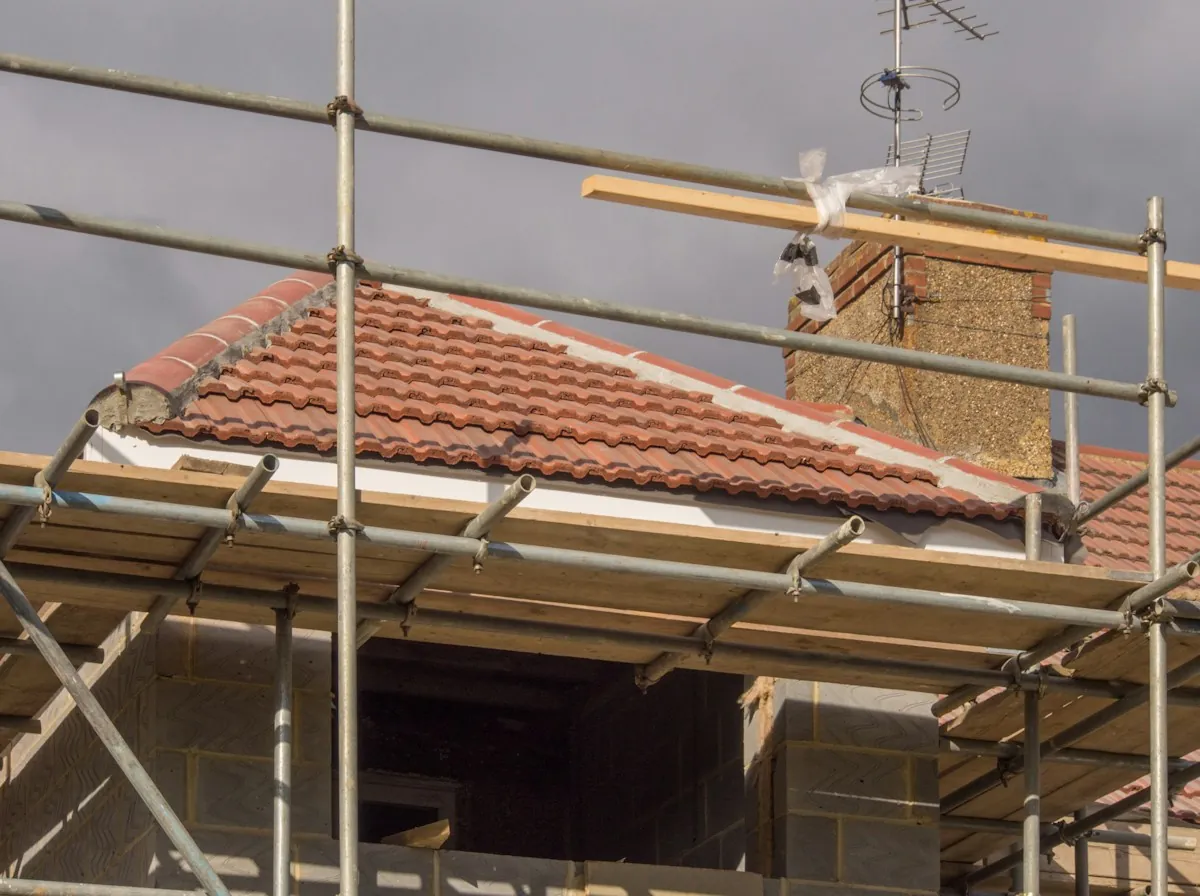
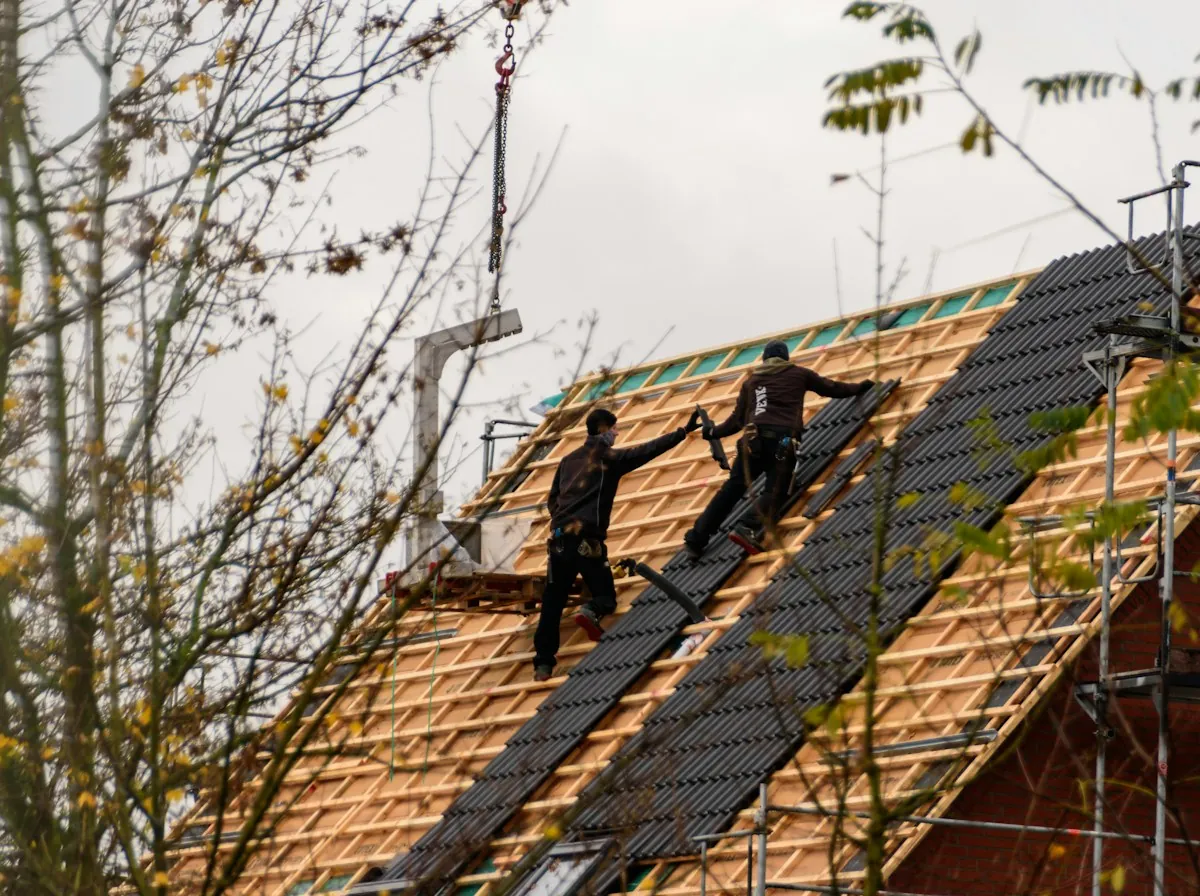
Roof Replacement in Glenoaks Canyon from $10,000. Taken back to the deck, every sheet assessed, and the whole scope written down first. Free inspection and a written quote.
Two things stack up in Glenoaks Canyon. The chaparral on the upper margins makes the fire-zone question ordinary rather than exceptional, and inside one a Class A assembly is required rather than preferred. And canyon wind works on a roof all through the dry months, so the damage is usually months old by the time the first rain finds it.
Glendale is an older city than most of the valley and it shows on the roofs. The foothill neighborhoods are largely 1920s to 1940s Spanish, Mediterranean, Tudor and Craftsman houses, and those were not built with the deck, the ventilation or the flashing details a modern covering assumes. A replacement here is as much a carpentry survey as a roofing quote.


A full replacement in Los Angeles County is estimated at $10,000 to $25,000 for most houses. The range is that wide because covering, pitch, access and what the old roof was hiding all move it -- and in Glendale, whether the property is designated historic moves it as well. Two canyon-specific costs. A Class A assembly where the parcel sits in a fire zone, at roughly $1 to $5 per square foot extra. And a higher breakage allowance on tile, because canyon wind has usually already cracked more of it than is visible from the ground.
A simple roof shape, level access, sound decking, and booking outside the winter rush when every roofer in the valley is on a ladder.
Clay tile rather than composition, a steep or canyon lot, a design review application, a Class A fire assembly, or soft decking found once the covering is off.
Sheathing replacement priced per sheet, the tear-off included or excluded, and the underlayment actually named. Those three account for most of the gap between quotes.
A foothill canyon neighborhood on the northern edge of the city, running up into the Verdugos.
Houses set into the canyon on sloping lots, with dry chaparral on the upper margins of the neighborhood.
Two things stack up here. The brush interface makes the fire-zone question real, and inside a Very High Fire Hazard Severity Zone that means a Class A assembly under Chapter 7A rather than a product preference. And canyon wind finds every lifted lap and every loose tile, usually in the dry months, with the leak arriving in the first rain afterwards.
Glenoaks Canyon runs up into the Verdugos with chaparral on its upper edge, so ember exposure and canyon wind are both ordinary considerations rather than exceptional ones.
Worth knowing before you start ringing round, and worth factoring into anything with a deadline on it.
Roofs here fail quietly through a dry summer -- ultraviolet light and heat working on the covering, felt going brittle under the tile, laps loosening -- then a wind event off the Verdugos lifts whatever was already loose, and the first serious rain finds all of it at once. Every roofer in the foothills takes those calls on the same three nights.
Canyon wind lifts tile, and lifted tile is broken tile by the time anyone looks.
Up here the fire rules usually bind harder than the design ones.
Canyon wind lifts and creases shingle seal lines, and the damage is invisible from the ground because the tab drops back flat afterwards.
A flat roof in a brush interface collects two things it was not designed to hold: chaparral litter, and embers.
Wind damage in the canyon is localized by nature: it hits the exposed slope and leaves the sheltered one alone.
Barrel tile, period streets, and design review.
Up against the Verdugos. Fire zone and a shopping street.
Designated historic. Review before permit, every time.
Under 200 homes, heavy canopy, a stream through it.
Steep lots, split levels, three decades of styles.
A 1920s-30s grid that still looks like one.
Custom houses, canyon roads, no standard rate.
The questions that decide this job, answered up front.
Usually because they are not the same roof. Check whether each one includes a full tear-off, how sheathing replacement is priced, and what underlayment is specified. On a tile roof, check whether one of them is pricing a relay and the others a replacement -- that alone is half the job.
Yes, re-roofing is permitted work and it goes through the City of Glendale rather than LADBS, because Glendale is its own incorporated city. If the property is identified as historic there is a step before that: the Design Review Exemption has to be approved first. We pull both.
No. The inspection is free, the written quote is free, and there is no obligation attached to either. What we will not do is give you a price at the door without going up, and on a tile roof we will not quote at all until the salvageable tile has been counted.
In Los Angeles County most replacements are estimated at $10,000 to $25,000. Composition shingle runs $7 to $11 per square foot here and clay tile $15 to $25. Glendale sits at the tile end of that more often than most of the county, which is why the relay question matters so much locally.
If the property is identified as historic, yes -- roof form and roof cladding are explicitly within scope. The part that catches people out is the order: a Design Review Exemption has to be approved BEFORE a building permit application will be accepted, not at the same time. Check your own address with the City of Glendale before anyone specifies a covering.
A free inspection, and a written quote against a written scope. Every slope photographed before and after - the set is yours.