Shingle Roof Replacement in Sparr Heights from $7. Composition shingle, torn off to the deck rather than layered over. Free inspection and a written quote.
Check the layer count at the rake edge before anything else on these houses. A roof from the 1920s or 1930s has very likely been re-covered more than once, and if it has already been overlaid then another layer is not on the table -- which turns what you were told was a cheap job into a tear-off, and it is better to know that before the deposit.
Composition is the common covering on Glendale's post-war streets and on the infill between the period blocks. It is also where corners get cut, because it is cheap enough that the temptation is to go fast. The two places that happens are the tear-off and the flashings.


Composition shingle runs $7 to $11 per square foot in Los Angeles, with about $8.50 being typical. National figures put it nearer $4, which is why an online estimate and a local quote look like they are describing different work. They usually are. Two roofs, one mobilization. On this grid the house and any rear addition or garage are separate roofs of similar age, and doing them on one visit is materially cheaper than doing them two years apart. The layer count at the rake decides whether a tear-off is optional.
A single-layer tear-off onto sound decking, a simple roof with few penetrations, and a covering at the standard end of the architectural range.
A second or third existing layer, a steep pitch, a lot of valleys and hips, or a Class A assembly in a fire zone.
Flashings. Reusing old step flashing or bedding new shingles into old mastic will leak within a few seasons no matter what the shingle cost.
Consistency is what makes Sparr Heights different. When a whole neighborhood went up inside two decades, the roofs reach the end of their lives within a few years of each other, so your neighbors' roofs are a reliable forecast of your own. It also means a replacement that does not match the street is visible from a long way off, which is exactly what the design guidelines are written to prevent.
Sparr Heights was built out across the 1920s and 1930s and keeps much of its original Tudor and Spanish architecture, so roofs here age on roughly the same clock.
This is a replacement company saying so, which is the point. The most expensive mistake in this market is buying the whole roof when the job was the felt underneath it.
A cracked mortar bed, a split upstand, a flashing that has parted from a wall: each is a repair. On an older property each is also the easiest thing in the world to present as a reason to strip the lot and start again.
Salvaging the original tile is what design review is most likely to pass, and it costs about half of replacing it. The two things point the same way more often than people expect.
Then a replacement is the right recommendation and we will make it. The test is not which answer you get, it is whether anybody showed you how they arrived at it.
Sparr Heights went up across the 1920s and 1930s, which means the roofs on your street reach the end of their lives within a few years of each other.
On a street this consistent, a tile roof that does not match is visible from a long way off, and that is precisely what the design guidelines exist to prevent.
Sparr Heights retains much of its original 1920s and 1930s character, and on a street like that the neighbors are effectively the standard.
On this grid the low slope is usually a rear addition or a garage, and on its own it is a small job.
The consistency that makes this neighborhood attractive makes a partial harder to hide.
Barrel tile, period streets, and design review.
Up against the Verdugos. Fire zone and a shopping street.
Designated historic. Review before permit, every time.
Under 200 homes, heavy canopy, a stream through it.
Steep lots, split levels, three decades of styles.
Custom houses, canyon roads, no standard rate.
Brush interface and canyon wind, all year.
The questions that decide this job, answered up front.
It is allowed up to a limit and it is usually the wrong call on a roof this age. An overlay hides the deck, adds weight, and sits on a surface that is no longer flat, which shortens the life of the new covering. Check the layer count at the rake before anyone quotes you an overlay.
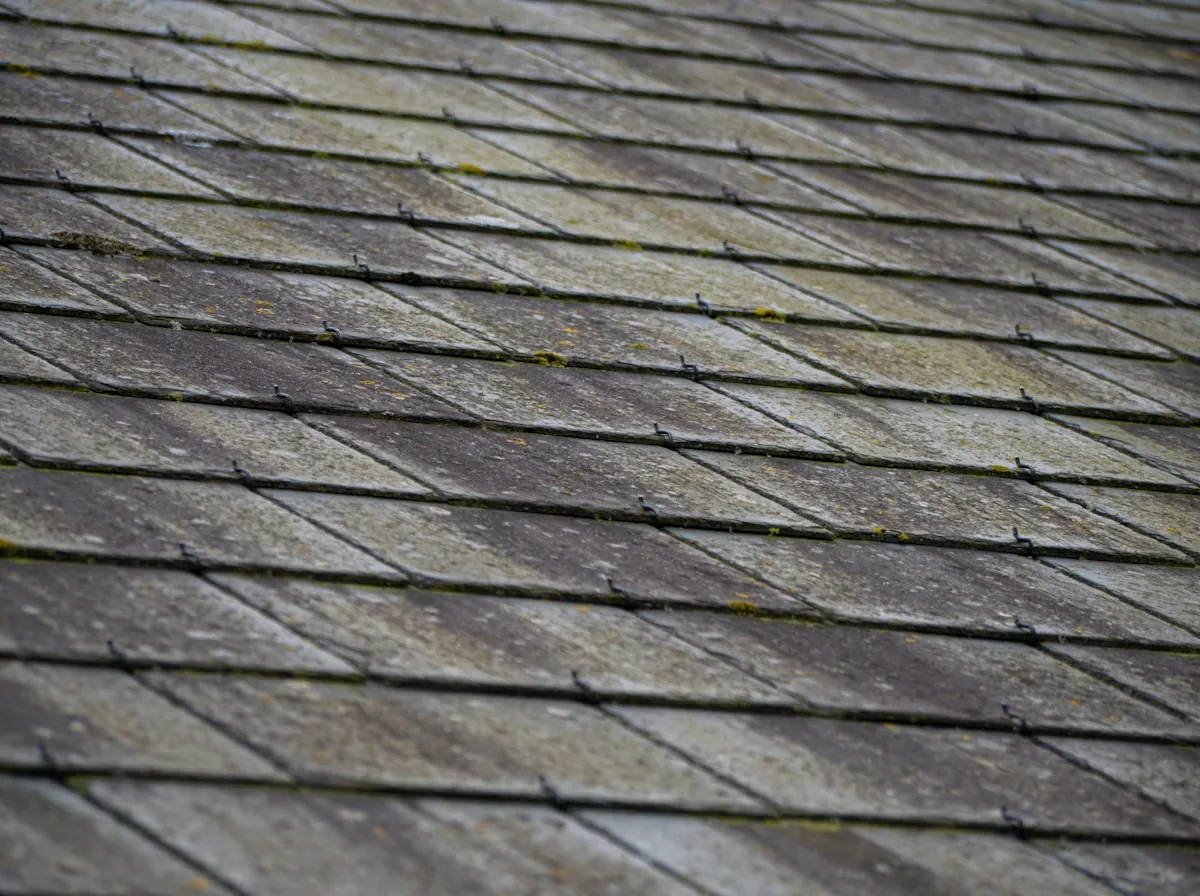
Look at the field rather than the failure. Composition here tends to go across a whole slope at once -- granules gone, tabs brittle, seal lines broken -- rather than in patches. A bald section on an otherwise sound slope is a repair; a whole slope like that is a replacement.
Late spring through early autumn, and the earlier in that window the better. Dry weather means no rushed dry-in, and booking before the first storms means you are not competing with every other homeowner in the valley for the same crews. A roof you already know is marginal is cheapest to deal with in September, not February.
It depends on the slope. Glendale is Title 24 climate zone 9, and the steep-slope cool-roof requirement applies in zones 10 to 15 -- so a pitched roof here is generally outside it, and a quote charging you for it is worth a question. Low slope is different: that requirement applies in all sixteen zones with no exemption.
In Los Angeles County most replacements are estimated at $10,000 to $25,000. Composition shingle runs $7 to $11 per square foot here and clay tile $15 to $25. Glendale sits at the tile end of that more often than most of the county, which is why the relay question matters so much locally.
A free inspection, and a written quote against a written scope. Every slope photographed before and after - the set is yours.