Historic Roof Replacement in Adams Hill from $8,000. Design review comes before the permit, not alongside it. Free inspection and a written quote.
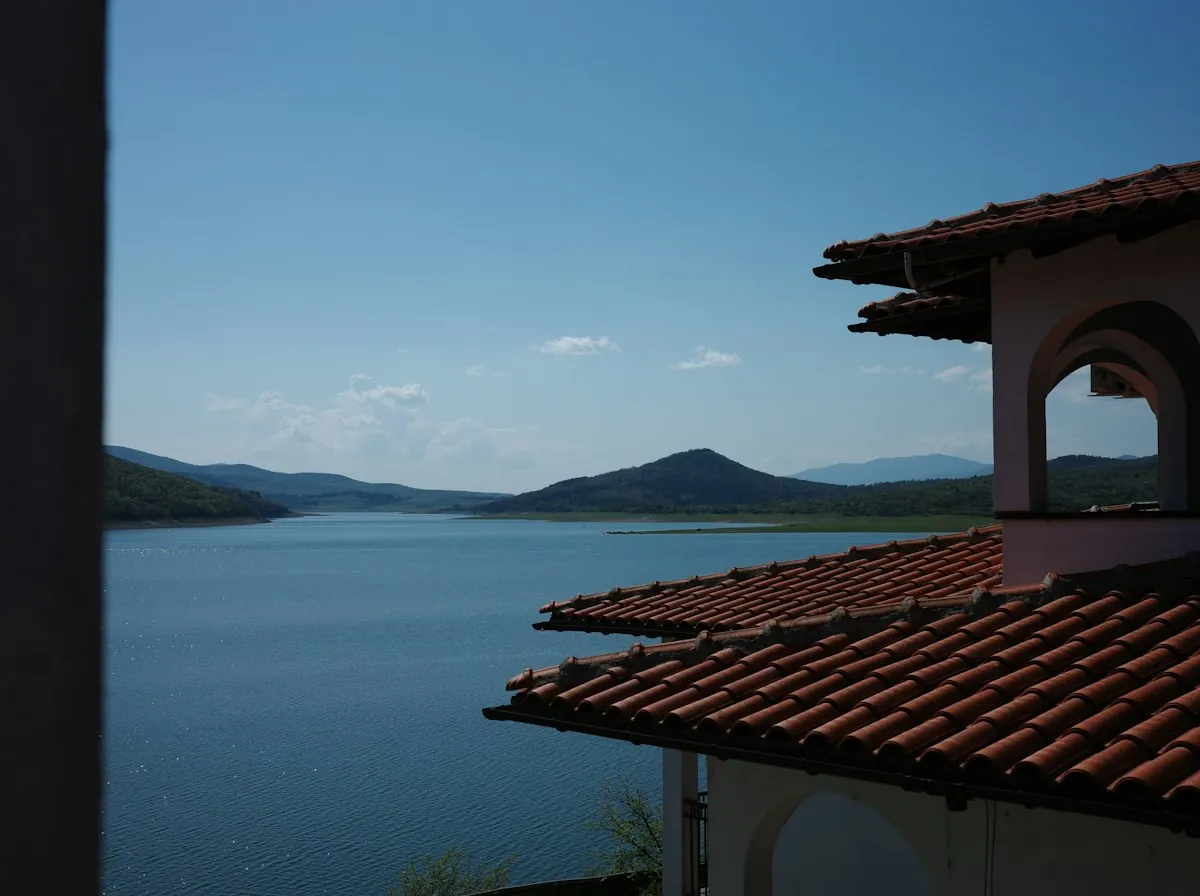
Adams Hill is mixed in era in a way Rossmoyne is not -- Tudor, Spanish and Craftsman from the 1920s through the 1950s on the same hill. Which era your house is decides what a review will expect, because a Craftsman's open eaves and exposed rafter tails are as much a protected characteristic as a Spanish house's tile.
Glendale has a Historic District Overlay Zone and a design review process that covers roof form and roof cladding explicitly. On a property identified as historic, a Design Review Exemption application has to be approved before a building permit application will even be accepted. That is a sequence, and getting it the wrong way round is how a job loses a month before anyone climbs a ladder.


The roofing costs what tile roofing costs -- a relay at $8,000 to $22,000, a full replacement well above that. What is different is the calendar. A Design Review Exemption has to be approved before a building permit application is accepted, so the sequence adds weeks at the front of the job rather than dollars at the end of it. Expect the upper end of every range on this page. Staging, material handling and waste removal are all harder on a steep lot with a narrow street, and on tile it is worse again because every piece is handled twice. A quote that does not mention access has probably not been up there.
A relay of the original tile is both the most approvable answer and the cheaper one. The expensive mistake is specifying a modern covering, being refused, and starting again.
A profile with no match available, structural work behind the eaves, or a second review round because the first application did not document what was there.
Whether they have taken a Design Review Exemption through the City of Glendale before, and in what order they intend to file. If the answer is 'permit first', keep looking.
Access is the variable that moves an Adams Hill quote. Staging, material handling and getting the tear-off off the property are all harder on a steep lot with a narrow street, and on tile that matters more than usual because every piece is handled twice on a relay. The roof geometry is busy too: building into a hill produces split levels, multiple ridges and long valleys.
Adams Hill carries 1920s to 1950s Tudor, Spanish and Craftsman housing on steep lots, which is a period-roof problem and an access problem at the same time.
This is a replacement company saying so, which is the point. The most expensive mistake in this market is buying the whole roof when the job was the felt underneath it.
A tile roof quoted at $30,000 to $60,000 is very often an $8,000 to $22,000 lift and relay, because clay outlives felt by decades and only the felt has failed. Somebody has to count your tile before that question can be answered.
Salvaging the original tile is what design review is most likely to pass, and it costs about half of replacing it. The two things point the same way more often than people expect.
Then a replacement is the right recommendation and we will make it. The test is not which answer you get, it is whether anybody showed you how they arrived at it.
Adams Hill prices off the lot, not the roof.
A relay means every tile is handled twice -- up, stacked, and back down -- and on a steep Adams Hill lot there is often nowhere level to stack it.
Steeper pitch and a steep lot together change the arithmetic.
Split-level hillside houses are joined by short low-slope links between the levels, and those links are where the trouble is.
Split levels give Adams Hill something most streets do not: genuine, natural partial boundaries.
Barrel tile, period streets, and design review.
Up against the Verdugos. Fire zone and a shopping street.
Designated historic. Review before permit, every time.
Under 200 homes, heavy canopy, a stream through it.
A 1920s-30s grid that still looks like one.
Custom houses, canyon roads, no standard rate.
Brush interface and canyon wind, all year.
The questions that decide this job, answered up front.
Plan on four to eight weeks before the permit application is even accepted, and more if the first submission has to go back. The way to keep it at the short end is to document what is there properly -- photographs of the existing profile, eaves and ridge -- and to propose something that reads as the original rather than arguing for something that does not.
The Secretary of the Interior's Standards for Rehabilitation, applied to roof form and cladding. In practice the question is whether the finished roof reads as the original: same profile, compatible color and texture, and details like exposed rafter tails and open eaves left alone rather than modernized.
Not automatically. Age is a prompt to look, not a verdict. Composition at twenty years is usually near the end; clay tile at twenty years has decades left in the tile even if the felt underneath is finished. That distinction is most of the roofing decisions made in this city, and it is settled by a survey rather than by the calendar.
Late spring through early autumn, and the earlier in that window the better. Dry weather means no rushed dry-in, and booking before the first storms means you are not competing with every other homeowner in the valley for the same crews. A roof you already know is marginal is cheapest to deal with in September, not February.
No. The inspection is free, the written quote is free, and there is no obligation attached to either. What we will not do is give you a price at the door without going up, and on a tile roof we will not quote at all until the salvageable tile has been counted.
A free inspection, and a written quote against a written scope. Every slope photographed before and after - the set is yours.