Flat Roof Replacement in Montrose from $2.50. Low slope over additions, garages and parapeted Spanish houses -- and the one Title 24 rule with no exemption. Free inspection and a written quote.
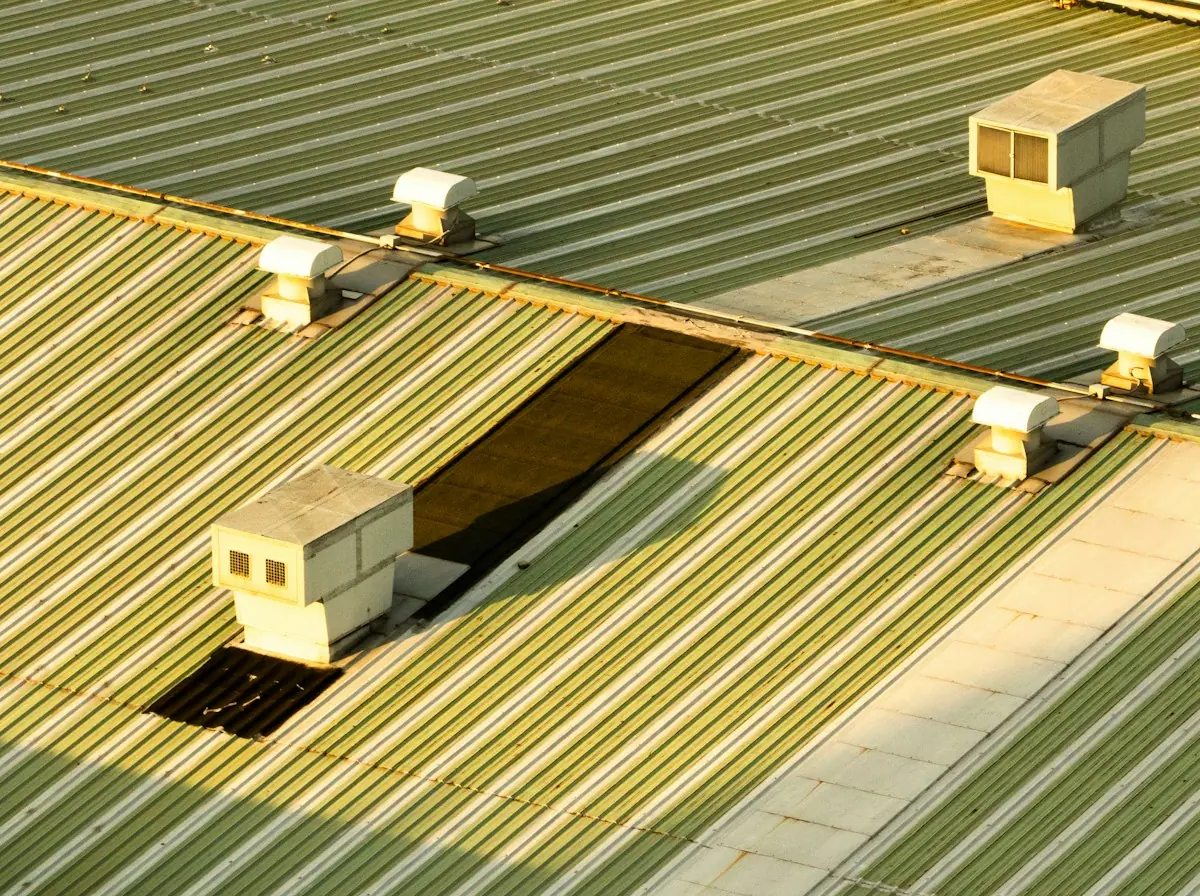
Montrose has genuine commercial low slope along its shopping street as well as residential additions behind the houses, and those price completely differently. Roof-mounted plant, curbs and grease-laden ducting on a restaurant roof are each details that have to be re-flashed, and the membrane is the smaller half of that job.
Glendale has more low-slope residential roof than people expect, and a lot of it is original rather than added: the Spanish and Mediterranean vocabulary includes flat roofs behind castle-like parapets, and those sit alongside the usual rear additions, converted garages and patio covers.


If the substrate is sound and dry, a coating at $2.50 to $7.00 per square foot is often the right answer and by some distance the cheapest. A full low-slope replacement is quoted against the system and the drainage work it needs, and on a house it normally sits at the lower end of the $10,000 to $25,000 replacement range. Two things push a Montrose quote up. The streets run up at the Verdugos, so access and staging cost time. And inside a Very High Fire Hazard Severity Zone a Chapter 7A Class A assembly adds roughly $1 to $5 per square foot, about 22%. Worth knowing before comparing two quotes that are not specifying the same roof.
A sound, dry substrate can be coated. We establish whether yours is before quoting a replacement, because coating a wet roof seals the moisture in and buys about a year.
Fall that has to be rebuilt rather than re-covered, wet insulation, parapet copings, and new or enlarged outlets.
Cool-roof compliance. Low slope has to meet it in every California climate zone once more than half the area is replaced, and the product's rating belongs on the quote.
Montrose is where the fire question is least theoretical. Streets run straight up at the Verdugos, and inside a Very High Fire Hazard Severity Zone a re-roof is a Class A assembly under Chapter 7A rather than a choice of product. We will not tell you your parcel is in one; the state and the city both publish maps and your own address is the only one that matters.
Montrose sits directly between the Verdugo Mountains and La Canada Flintridge, which is why the ember-exposure question comes up here more than anywhere else in the city.
This is a replacement company saying so, which is the point. The most expensive mistake in this market is buying the whole roof when the job was the felt underneath it.
A tile roof quoted at $30,000 to $60,000 is very often an $8,000 to $22,000 lift and relay, because clay outlives felt by decades and only the felt has failed. Somebody has to count your tile before that question can be answered.
Salvaging the original tile is what design review is most likely to pass, and it costs about half of replacing it. The two things point the same way more often than people expect.
Then a replacement is the right recommendation and we will make it. The test is not which answer you get, it is whether anybody showed you how they arrived at it.
In Montrose the replacement decision runs straight into the fire decision.
Tile is a Class A covering, but in a fire zone it is the assembly that is rated, not the tile on its own.
Montrose is where the two rulebooks meet.
Nearly every architectural shingle sold now is Class A rated, so the label is rarely the problem in Montrose.
In a fire zone the partial-versus-full decision has a genuine code cost attached.
Barrel tile, period streets, and design review.
Designated historic. Review before permit, every time.
Under 200 homes, heavy canopy, a stream through it.
Steep lots, split levels, three decades of styles.
A 1920s-30s grid that still looks like one.
Custom houses, canyon roads, no standard rate.
Brush interface and canyon wind, all year.
The questions that decide this job, answered up front.
Water still sitting 48 hours after rain means the fall is wrong or a drain is not working. Not an emergency this week, but it is what turns a small repair into a deck replacement if it is left for a couple of winters.
If the substrate is sound and dry, yes -- $2.50 to $7.00 per square foot, and it is often the right answer. If it is not sound, coating seals the moisture in and buys about a year. We establish which you have before quoting either.
It is a real rule and it is not California's. Several states apply a 25% threshold, above which a repaired roof has to be brought up to current code. California uses 50%: replace more than half the total roof area within any one-year period and the whole roof has to comply. If you have read about the 25% rule, that is why it does not match what a Glendale contractor tells you.
If the property is identified as historic, yes -- roof form and roof cladding are explicitly within scope. The part that catches people out is the order: a Design Review Exemption has to be approved BEFORE a building permit application will be accepted, not at the same time. Check your own address with the City of Glendale before anyone specifies a covering.
Not automatically. Age is a prompt to look, not a verdict. Composition at twenty years is usually near the end; clay tile at twenty years has decades left in the tile even if the felt underneath is finished. That distinction is most of the roofing decisions made in this city, and it is settled by a survey rather than by the calendar.
A free inspection, and a written quote against a written scope. Every slope photographed before and after - the set is yours.